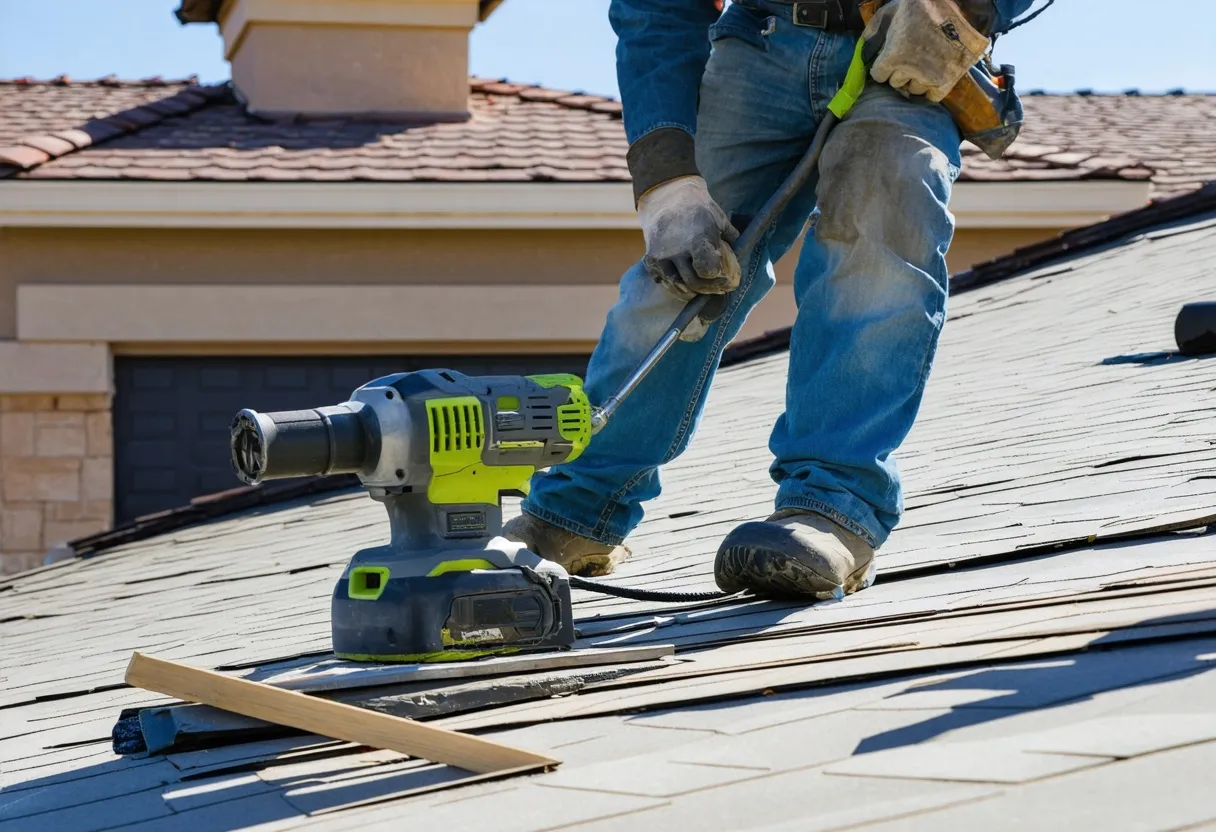
Roof damage in Peoria, Arizona rarely announces itself the way it does in milder climates. It happens in the gap between a string of 115-degree days and the first real monsoon cell of the season — tile that cracked from thermal expansion back in June finally lets water through the moment a storm rolls off the desert weeks later. Roofing Glendale Pros is based just down the road in Glendale, and Peoria homeowners across the Northwest Phoenix metro are among the calls we take most often, especially once monsoon activity picks up.
Our approach to roofing peoria, arizona work is built around what actually damages roofs in this specific desert climate: heat-cycle stress on tile and shingle, UV breakdown of underlayment long before the surface material shows it, and wind-driven hail and rain that finds every seam a hot summer already weakened. Every estimate is written, itemized, and explained before work starts, and financing gets discussed as part of that estimate — not sprung on you afterward. If you want the short version: we look at the roof, tell you honestly what's going on underneath the tile or shingle, and give you a number in writing before you decide anything.
What a Peoria Homeowner Should Expect From a Roofer Here
How We Handle a Roofing Project in Peoria, Start to Finish
Reach out about a leak, storm damage, or an aging roof, and we'll get an inspection on the calendar — sooner if there's active water intrusion.
We check tile or shingle condition slope by slope, flashing at every penetration, and underlayment where it's accessible, and document what we find with photos.
You get an itemized quote before anything starts, including what's driving the cost and which financing options apply if you want to use them.
Work gets scheduled around Arizona's storm windows where possible, and the site gets cleaned up at the end of each work day.
We go over the completed work together and confirm it matches the scope you approved, with nothing left unexplained.
What Actually Drives Roofing Cost in Peoria
Two Peoria roofs of similar size can have very different repair costs, and the difference usually isn't cosmetic — it's what's happening underneath the surface.
Material matters more than people expect
Tile is the dominant roofing material across most Peoria neighborhoods, and tile itself often outlasts the house. The underlayment beneath it doesn't, particularly after years of heat-cycle stress, so tile repairs are as much about underlayment access and matching profile and color as they are about the tile itself. Shingle roofs, more common on older stock and additions, tend to show granule loss and curling fastest on west- and south-facing slopes, where sun exposure is heaviest. Flat and foam sections over patios or additions carry their own cost pattern, driven by UV degradation of the coating and ponding after monsoon rain.
Underlayment scope changes the job
A repair limited to a handful of surface tiles is a very different scope than one that requires stripping tile to replace failed underlayment underneath. You often can't tell which situation you're in from the ground, which is why we check underlayment condition as part of every inspection rather than quoting off a driveway look.
- Roof pitch and accessibility — steeper roofs and multi-story homes take longer and need more safety setup
- Deck condition — water-damaged plywood under the surface layer isn't always visible until tear-off, but it has to be repaired before new roofing goes on
- Size of the affected area — a single-slope repair after wind damage costs far less than damage spread across multiple slopes after a bad monsoon cell
- Insurance involvement — claims add documentation steps but shouldn't add pressure to skip a proper inspection
We put all of this in writing before work starts, and where the number is larger than you want to pay upfront, financing gets discussed as part of that same conversation rather than as an afterthought.
Peoria Roofing Questions We Hear Most
Summer heat cycles bake tile and shingle for months, causing expansion and contraction that cracks tile, loosens granules, and dries out underlayment years before it would in a cooler market. Monsoon season then tests every weak point that heat already created.
It can, especially on tile that's already brittle from heat-cycle stress. Wind-driven hail during a monsoon cell tends to crack tile that would otherwise have held up, which is why we inspect for hail impact separately from routine wear during storm-season calls.
Yes. Financing options are part of the estimate conversation, so if a repair or full replacement is more than you want to pay in one lump sum, you'll know what's available before you commit to a scope of work.
Being Glendale-based puts us close to Peoria and the Northwest Phoenix metro, and we prioritize active leaks and storm damage calls. We'll give you an honest response window rather than a generic promise when you call.
It depends on underlayment condition, not the tile itself. If tile is sound but underlayment has failed in isolated spots, targeted repair usually makes sense. If underlayment is failing broadly, repair turns into a series of costly patches and replacement is typically the better long-term value.
Get a written estimate before agreeing to anything, ask specifically whether underlayment is included in the scope, and confirm what the workmanship warranty covers. Be cautious of anyone pushing you to sign insurance paperwork before they've actually inspected the roof.
Written Estimates, No Storm-Chaser Pressure
After a monsoon storm, Peoria sees its share of door-knocking crews asking for a signature before they've even climbed a ladder. We give you a written, itemized estimate and walk through financing options before any work starts — take the time you need to decide.
Serving Peoria From Just Down the Road in Glendale
We're based in Glendale, and Peoria sits close enough within the Northwest Phoenix metro that it's one of the areas we're on-site in most weeks — not a market we cover from across the Valley. Our work in Peoria concentrates around the neighborhoods near zip codes 85301 and 85308, including the area around State Farm Stadium, and stretches through the rest of the Northwest Phoenix metro as well.
That proximity matters most during monsoon season, when demand for repairs spikes across the entire Northwest Valley at once. Being close by means shorter drive times to an active leak and a working sense of how different pockets of Peoria tend to age — older established streets carry different underlayment and flashing issues than newer construction does, and knowing that ahead of an inspection saves time once we're actually on the roof.
Whether you're in an older neighborhood near the stadium corridor or a newer development further out toward the edges of Peoria, the same standard applies: a full inspection, a written estimate, and an honest read on repair versus replacement before anything gets scheduled.
Get Your Upfront Quote
No pressure, no guesswork — just a clear price for your roof.
Ready for a Roof Built for Arizona?
Reach out for a straightforward, upfront quote.